-
1-1-40/1/1, Eden Annexe,Hyderabad – 500080






Your Cart (₹0.00)
Less Clothes, More Style: How to Create More Looks with a Minimalist Wardrobe
Less Clothes, More Style: How to Create More Looks with a Minimalist Wardrobe

A full wardrobe doesn’t always mean more options. In fact, it often leads to confusion – too many pieces, but nothing feels right. That’s where minimalist fashion makes a difference.
Minimalist fashion isn’t about wearing boring clothes or limiting your style. It’s about choosing fewer, better pieces that work together effortlessly. When your wardrobe is simple and intentional, getting dressed becomes quicker, easier, and surprisingly more creative.
If you’ve ever wanted to simplify your closet without losing your style, here’s how you can make it work.
1. Understand What Minimalism Really Means
Minimalist fashion is not about having the least number of clothes possible. It’s about having the right clothes.
Instead of buying more, you focus on:
- Versatile pieces
- Neutral colours
- Comfortable fits
- Timeless styles
The idea is to create a wardrobe where everything can be mixed and matched easily. Every piece should serve a purpose.
2. Start by Decluttering
Before building a minimalist wardrobe, you need to clear the excess.
Take out everything and ask:
- Do I wear this regularly?
- Does it fit well?
- Can I style it in multiple ways?
If the answer is no, it’s probably not adding value to your wardrobe.
Keep what you truly wear and love. Let go of items that just take up space. This step alone can change how you see your closet.
3. Build a Strong Base of Essentials
Minimalist style starts with basics that you can rely on daily.
Your wardrobe should include:
- A few solid tops
- Well-fitted trousers or jeans
- Simple kurtas or dresses
- A layering piece like a jacket or shrug
These are not “plain” pieces – they are powerful because of how often you can wear them.
When your basics are strong, you don’t need too many extras.
4. Stick to a Flexible Colour Palette
One of the biggest secrets of minimalist fashion is colour coordination.
Choose a palette that works for you:
- Neutrals: black, white, beige, navy
- Soft tones: pastels, greys
- Earthy shades: olive, rust, brown
When your clothes follow a similar colour direction, everything starts working together. You don’t have to think too much while pairing outfits.
Even a small wardrobe can create many combinations when colours match well.
5. Focus on Quality Over Quantity
Instead of buying five average pieces, invest in one good-quality item that lasts longer and looks better.
Good fabric, proper stitching, and a clean fit make a big difference. These pieces don’t just last longer – they also look more polished.
Minimalism is not about spending less. It’s about spending wisely.
6. Create Multiple Outfits from One Piece
This is where minimalist fashion becomes exciting.
Take one item and style it in different ways:
- A white shirt with jeans for casual wear
- The same shirt with trousers for work
- Layered over a dress for a different look
One kurta can be styled with different bottoms. One pair of trousers can be paired with multiple tops.
When you start thinking this way, you realise you don’t need new clothes to create fresh outfits.
7. Use Layering to Add Variety
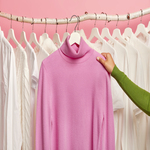
Layering helps you create different looks without adding more clothes.
- Add a jacket to a simple outfit
- Wear a shirt open over a top
- Pair a dress with a shrug
Layering changes the feel of an outfit instantly. It adds depth and makes your look more interesting.
8. Keep Accessories Simple but Effective
Minimalist fashion doesn’t mean no accessories. It means choosing the right ones.
Stick to:
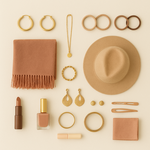
- Simple jewellery
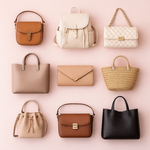
- A versatile bag
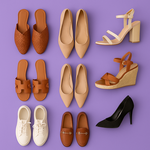
- Neutral footwear
These pieces should go with most of your outfits. Instead of having many options, focus on a few that work everywhere.
9. Repeat Without Overthinking
One of the biggest advantages of a minimalist wardrobe is that repeating outfits becomes easy — and normal.
You don’t need to wear something new every day. By changing small elements like footwear, accessories, or layering, the same outfit can feel different.
Style is not about constant change. It’s about consistency.
10. Make It Work for Your Lifestyle
Minimalism is personal. Your wardrobe should reflect your daily routine.
If you work in an office, focus on smart casual or formal basics. If you travel often, choose comfortable and versatile pieces. If you prefer ethnic wear, build your wardrobe around simple kurtas and bottoms.
The goal is to make your wardrobe practical, not perfect.
Final Thoughts
Minimalist fashion is not about limiting yourself. It’s about freeing yourself from clutter, confusion, and unnecessary choices.
When you have fewer but better pieces, you spend less time deciding what to wear and more time feeling confident in your outfits. You start using your clothes more creatively and appreciate what you already own.
In the end, style isn’t about how much you have.
It’s about how well you use it.
And sometimes, less truly is more.