-
1-1-40/1/1, Eden Annexe,Hyderabad – 500080





Your Cart (₹0.00)
Office Wear vs Casual Wear: How to Dress Smart Without Sacrificing Style

It is no longer necessary to choose between feeling comfortable and looking professional when dressing smartly. The differences between casual and professional attire are gradually disappearing these days. Workplace flexibility is increasing and personal style is at last receiving the attention it deserves. Even yet, a lot of people find it difficult to find the perfect balance. The positive thing is that you don’t have to give up flair in order to dress well. You can look put together and carefree at the same time with some well-considered choices.
Understanding the Difference Between Office and Casual Wear
Traditionally, office dress has been associated with formal attire, such as blazers, fitted pants, structured shirts and muted hues. The emphasis is on seeming competent, trustworthy and professional. On the contrary, the focus of casual clothing is comfort. Consider loose silhouettes, softer materials and loose fitting.
The structure and intention are the primary differences. Casual clothing is relaxed, whereas office attire is more formal. The trick is to combine the two in a way that reflects your personality and feels appropriate for the workplace.
The Rise of Smart Casual Dressing
Office and informal trends converge in smart casual. It lets you dress well without feeling restricted. A simple top matched with cut pants or a well-fitting shirt with clean jeans can instantly create a balanced look. This strategy is particularly effective in contemporary workplaces where strict dress requirements are gradually being abandoned.
Balance is more important in smart casual wearing than following rules. Keep the other component organized if the first is loose. This keeps your attire seeming deliberate rather than random.
Choosing the Right Fabrics and Fits
The feel and appearance of an outfit are greatly influenced by the fabric. The best materials for office-appropriate attire are typically ones that maintain their shape. Softer, more breathable materials are preferred for casual clothing. Look for items that incorporate both attributes while assembling a smart wardrobe.
Fit is equally crucial. No matter how basic, well-fitting clothing always looks smarter. Stay clear of clothing that is either too tight or too loose. A clean fit conveys effort and effort is always considered to be professional.
Building a Versatile Wardrobe
A flexible wardrobe is a smart wardrobe. Black, blue, grey and beige are examples of neutral hues that facilitate mixing and matching. These hues can be dressed up for work or down for social events.
Invest on adaptable items like well-made pants, structured jackets, solid-colored tops and clean shirts. Over time, you can save time and effort by styling these items differently based on the occasion.
Footwear and Accessories Matter
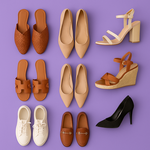
The entire mood of an outfit can be transformed by shoes. Simple flats, modest sneakers or clean loafers can be appropriate for both formal and informal contexts. If you want to look elegant, stay away from shoes that are too sporty or worn out.
There shouldn’t be many accessories. Even the most basic clothing can be improved with a simple belt, a structured bag or a watch. Adding polish without going overboard is the goal.
Dressing Smart Is About Confidence
The clothes you feel comfortable wearing are ultimately the most stylish. Comfort has a significant impact on how you present yourself and style is individual. The way you move and engage with people reflects how you feel about what you’re wearing.
Conclusion
Your wardrobe doesn’t have to be divided into work and informal attire. The two can coexist peacefully with careful style. Pay attention to well-fitting clothing, high-quality materials and adaptable items that fit your lifestyle. Dressing smart is about developing a look that is comfortable, polished and natural at the same time, not about following trends.